

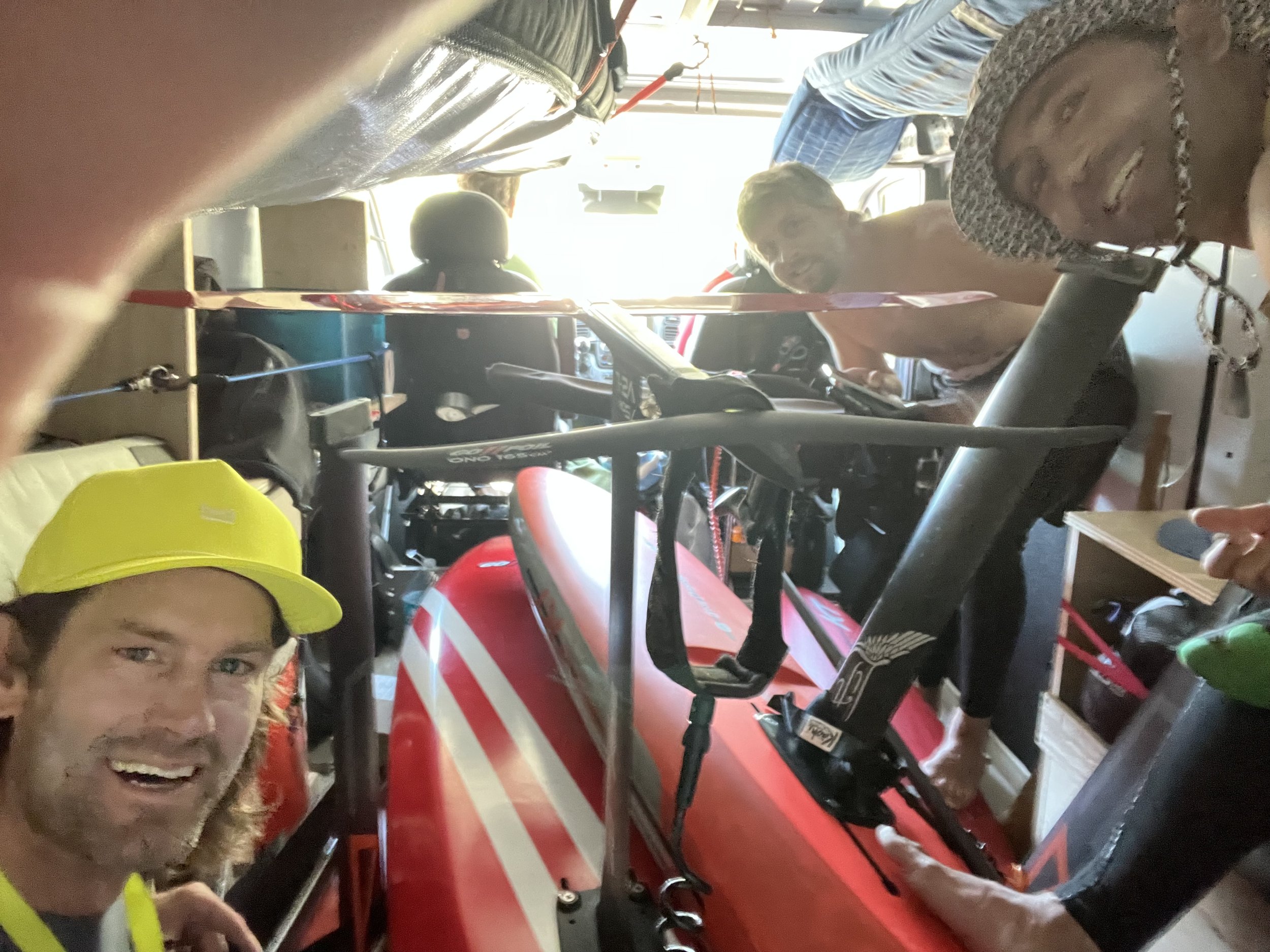
For the first Field Notes, I felt it was important to feature the Virginia Beach foil scene.
I knew how important our local WhatsApp group had become in New Jersey, but I honestly didn’t realize that foilers in other states were building similar groups. Learning about the Virginia Beach crew made me see how foiling is growing across the East Coast: not as one large organized scene, but through small pockets of people sharing conditions, making plans, helping each other, and getting on the water together.
The history of foiling in Virginia Beach by Kyle Biddle
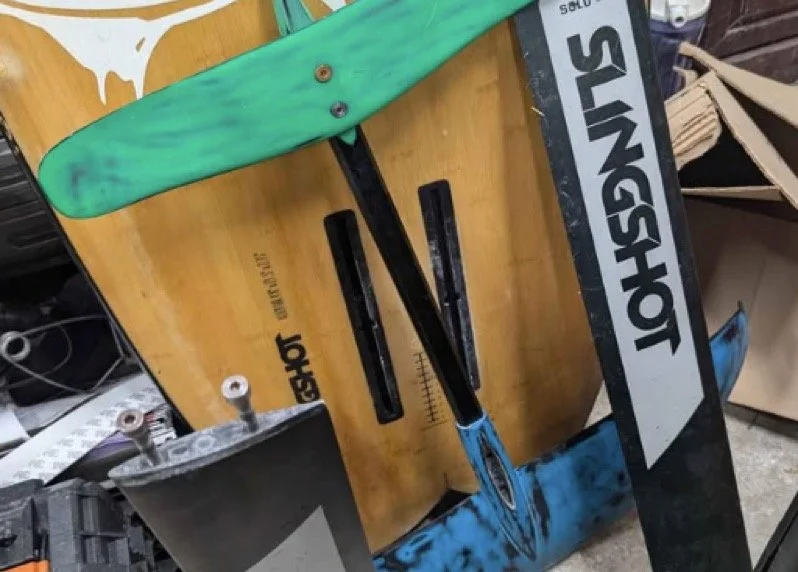
My first setup - recently found on fb marketplace
For me, the foil obsession started in 2019.
At the time, I had a three-year-old, another kid on the way, and a surfing habit dating back to college. That summer, I was on a surf trip in Salina Cruz and told my buddy Dave that I was looking into something called a hydrofoil. My thinking was simple: maybe I could finally surf the tiny, pathetic waves in Virginia Beach.
Dave was living in San Francisco and preparing for a massive fall swell. Small waves were not his problem. He looked at me like I had lost my mind. A few months later, my second kid was born, the local waves disappeared, and my travel radius shrank to about ten minutes. Then fate intervened through Facebook Marketplace: a complete hydrofoil setup and board for $600. The seller, Chuck, showed me how to assemble it, keep the screws from seizing, and awkwardly carry it to the beach. Fully assembled, it weighed about 30 pounds and looked like a medieval torture device.
Everything a future kook needed.
I spent that winter learning at an empty Sandbridge Beach in a 5mm wetsuit, gloves, boots, and a hood. The deserted beach was helpful because my early attempts were a public safety hazard. I couldn’t pop up. I couldn’t control the weight distribution. I tacoed onto the foil more times than I can remember. Somehow, the worst cuts went through my wetsuit instead of my skin. By March, I could consistently stand up and ride straight on tiny ripples. I was starting to see the light. That same month, a work trip took me to the Riviera Maya. I packed the foil because the area was too flat for surfing. We ended up finding perfect beginner conditions directly outside the hotel: weak, one-to-two-foot waves in clear water.
That trip gave me a rule I still follow:
If you are going near water, bring a foil.
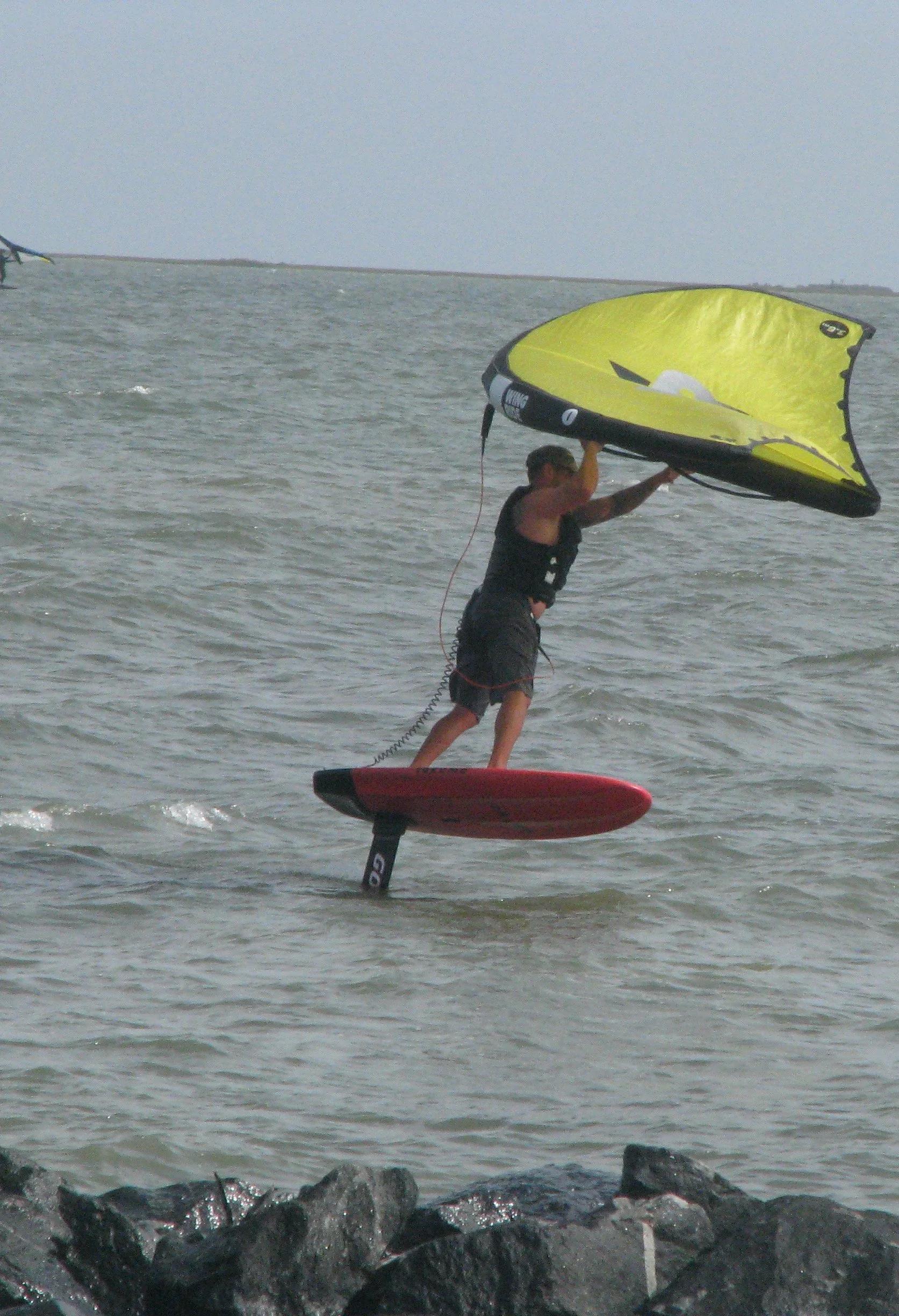
Garrett wing foiling in 2021
When I returned home, I started searching for other local foilers. I noticed a black-and-white striped foil behind Chip in one of his photos and sent him a message. He introduced me to Armstrong foils, and before long I had spent around $3,500 on a new setup.
At the time, I was driving a 20-year-old Suburban. The foil was worth significantly more than the vehicle carrying it. I could have taken a great surf trip for that money, but with two toddlers at home, I wasn’t going anywhere. I was all in. Later that year, I saw Garrett at the Croatan jetty holding a massive inflatable hand wing on a blown out northeast day. I had no background in wind sports, but watching him fly across the chop looked insane. Garrett sold me an early Naish wing and helped me get started. I spent the winter practicing on the retention pond behind my house, trying to understand how wind worked.
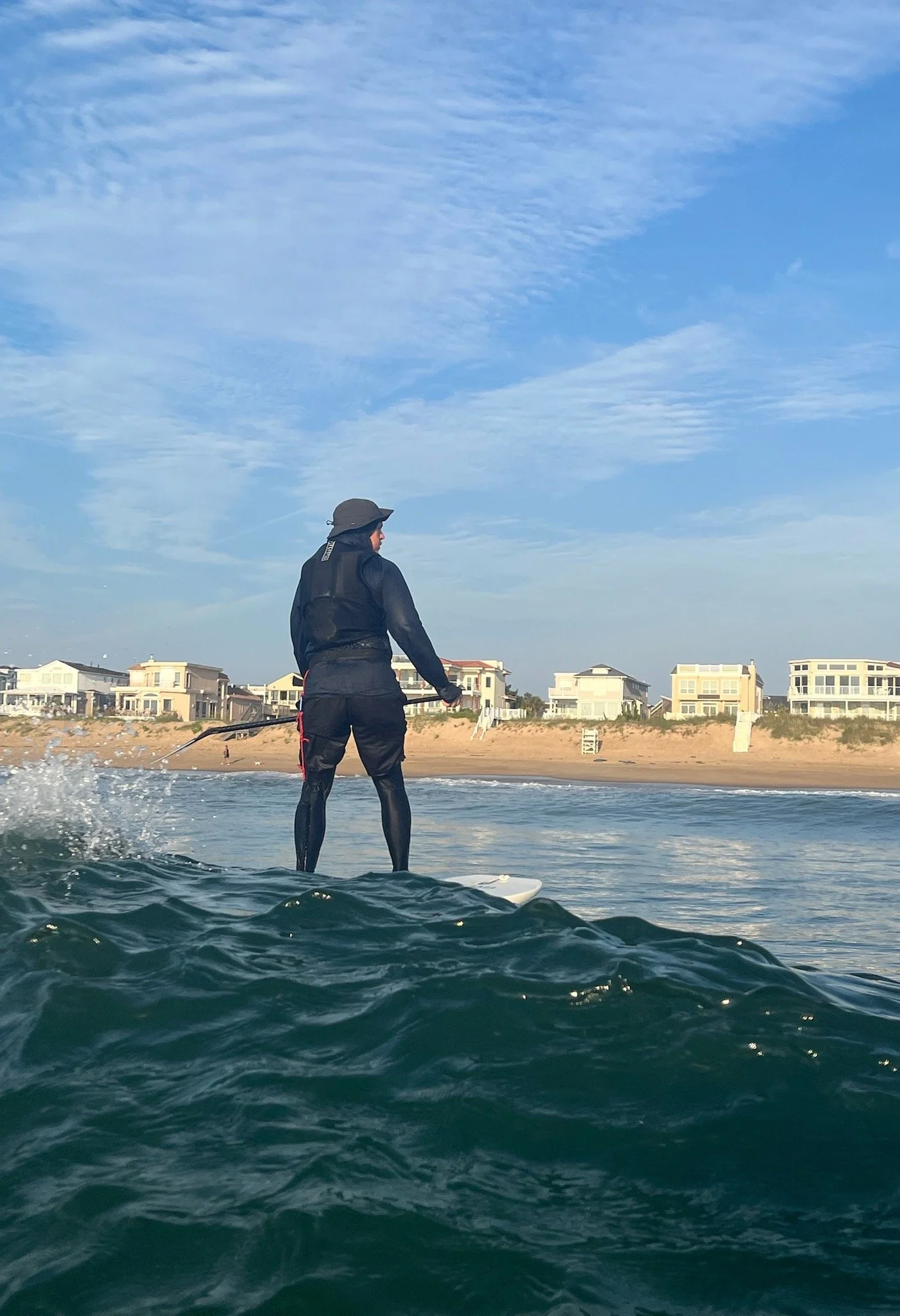
2022 OG SUP Foiler Matt aka the Godfather
Around the same time, I met JD, an older gentleman who could seemingly build anything. He was riding an early Naish foil on a homemade board and learning to connect waves.
Then came Matt, now known as “The Godfather” because of his endless wisdom and unmatched froth. Matt had already been foiling for years and had even built wooden foils to kite on in the 2010s. They’re still sitting in his garage today, which is basically a museum of terrible early foil equipment.
By 2022, Chip had connected me with “Foil Graham,” who lived in Newport News but was constantly riding the Chesapeake Bay and James River. Graham was and still is an absolute foil dork. He was always ready to talk gear, technique, or whatever new piece of equipment had just appeared.
Slowly, a crew formed.
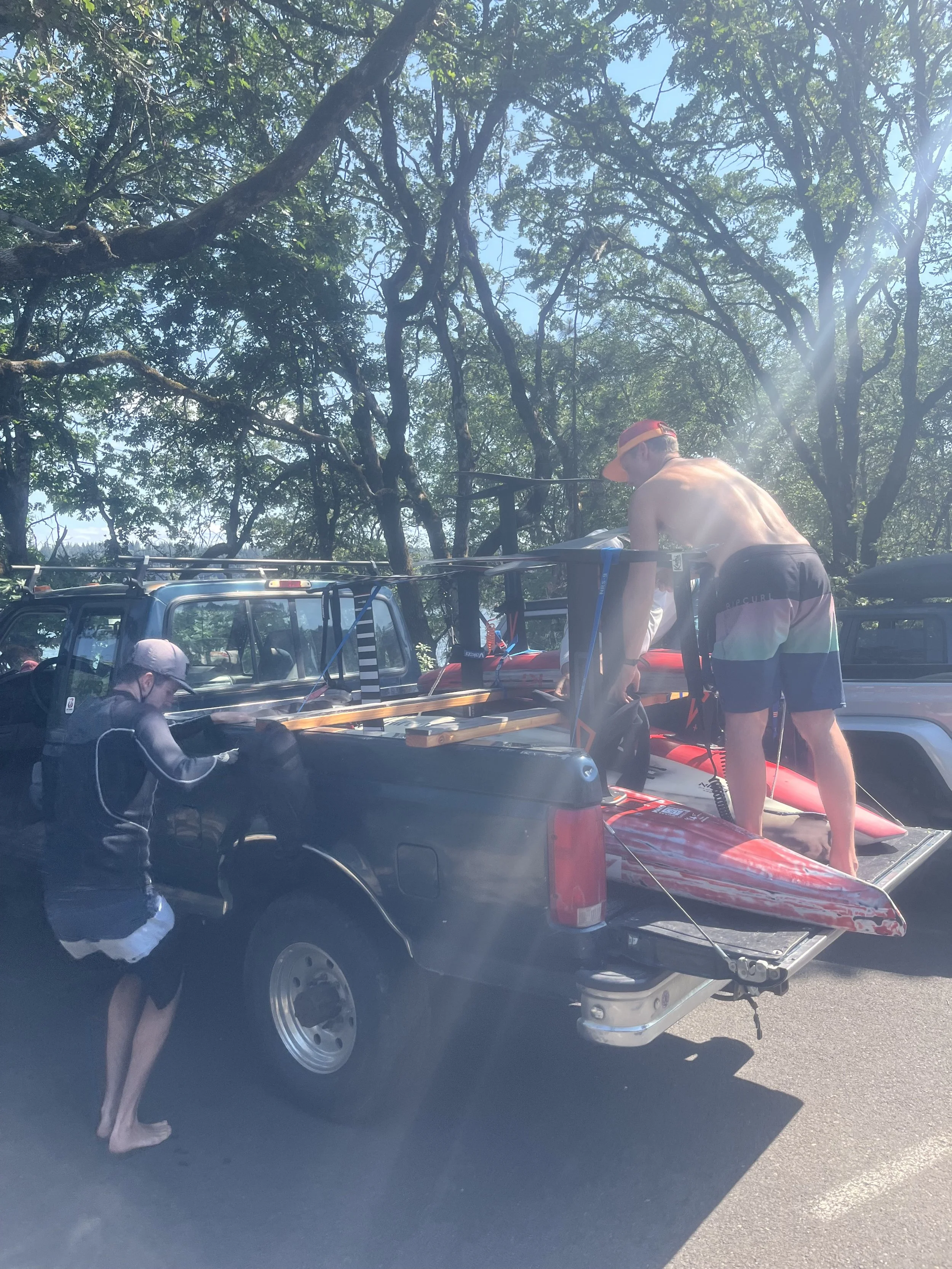
By 2023, the core group included Graham, Chip, Will, Garrett, and me. I started a local WhatsApp group so we could coordinate sessions. It began with only a handful of riders.
The last time I checked, it had nearly 200 members.
By late 2023 and 2024, we moved into open-ocean downwinders. We would leave one car at 1st Street, drive eight miles north to 88th Street, launch into a heavy north wind, tack offshore, flag out our wings, and ride the swell back down the coast.
It was pure joy.
In 2024, Garrett ordered a Kalama downwind SUP board, and I impulsively joined the order. Since then, I’ve become completely addicted to paddle downwinding. Chasing longer runs, more efficiency, smaller boards, and recently using a Parawing over long distances. Garrett has always been about a year ahead of the rest of us. He was ahead on prone foiling, ahead on winging, and ahead again on downwind SUP. We’re lucky to have that kind of influence in the local scene.
Virginia Beach isn’t known for consistent surf. In fact, if the waves here were good all the time, I probably never would have started foiling.
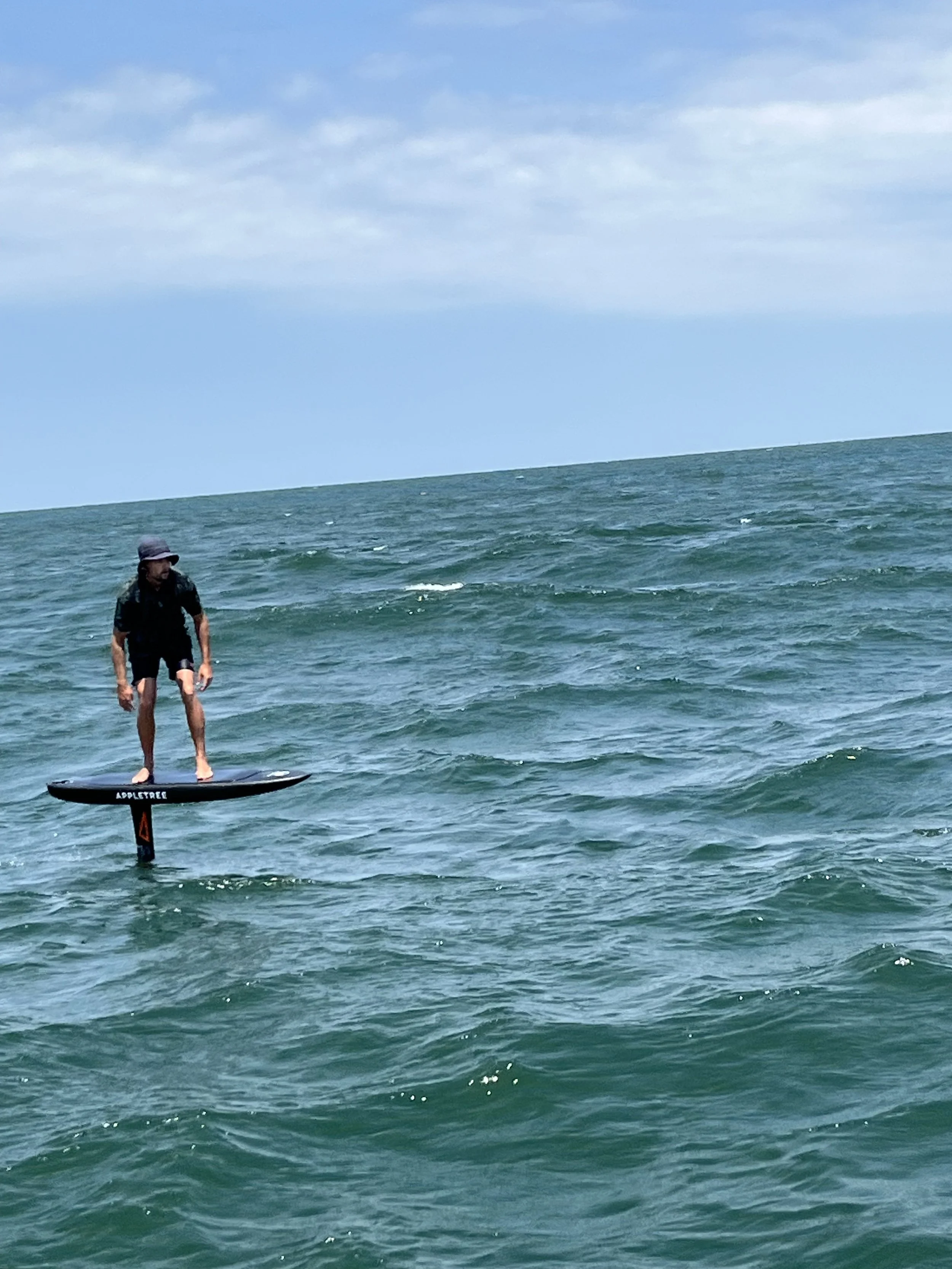
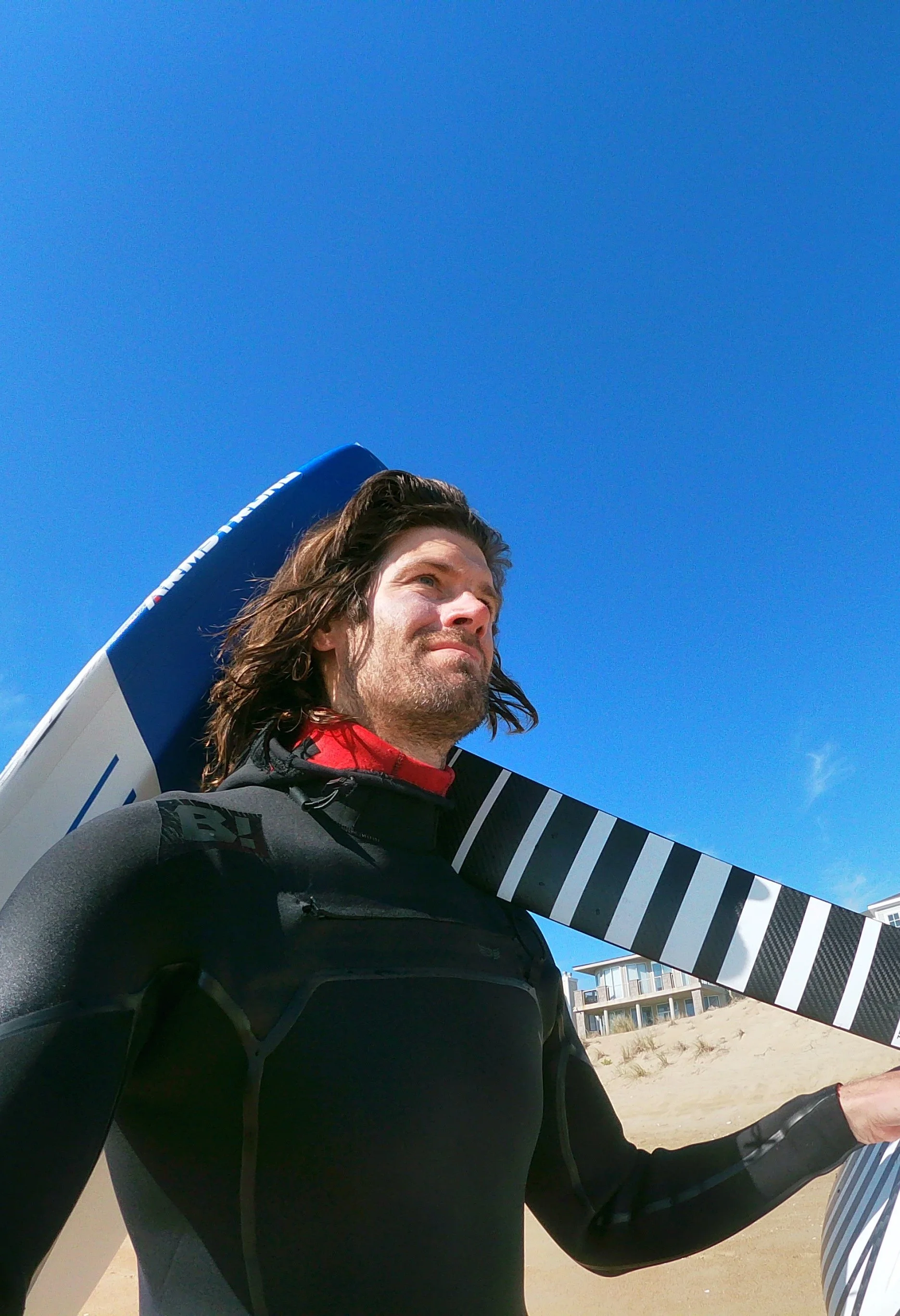
But we do get wind. We have the ocean, Chesapeake Bay, rivers, inlets, sandbars, and enough variety to keep things interesting. With the right gear, mindset, and crew, it can be an incredible place to ride.
The kiteboarders understood this long before the foilers. I used to think kiting looked ultra-kooky. Now I realize they were simply smart watermen figuring out how to enjoy the conditions they had. The windsurfers were doing it even earlier. The local WET group, Windsurf Enthusiasts of Tidewater has riders who have been chasing many of these same lines since the 1980s. Foilers aren’t inventing everything. We’re joining a long history of local riders learning to use whatever the coast gives them.
I started writing this as a short history of Virginia Beach foiling through my eyes. I’m still not sure there is a grand takeaway.
Maybe it’s this:
Stop being a kook. Buy a foil. Drink less. Foil more. Be nicer to your kids.
And if you’re fishing directly where I’m trying to foil?
I’m cutting your lines.
-Kyle Biddle
@voyager_vb
Kyle has taken his foiling to the next level by offering an in-depth perspective on VB foiling. He created Beach Hydrofoil, offering gear consulting, content creation, and lessons.
If you’re in the Virginia Beach area and want to learn, improve your foiling, or just go shred with the crew, hit them up!


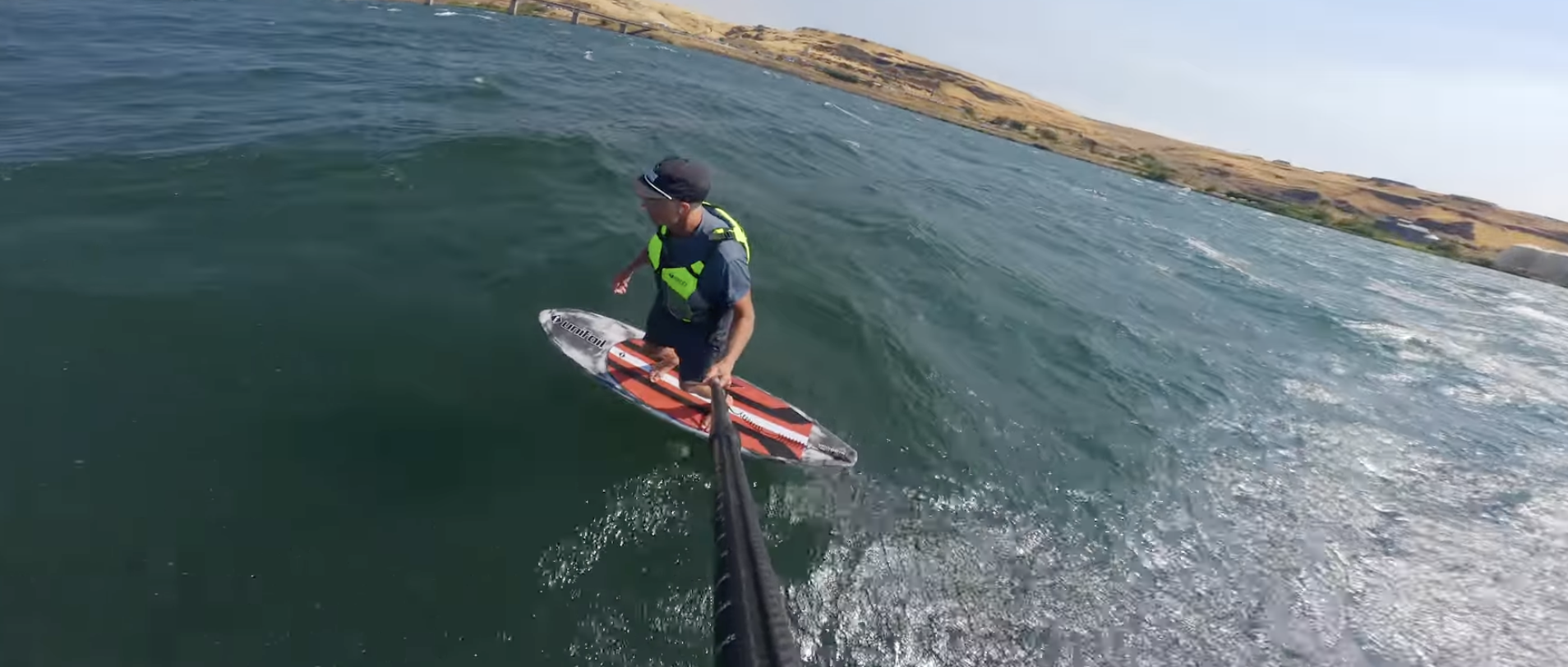
The other story in this first issue is about Seth Stafford.
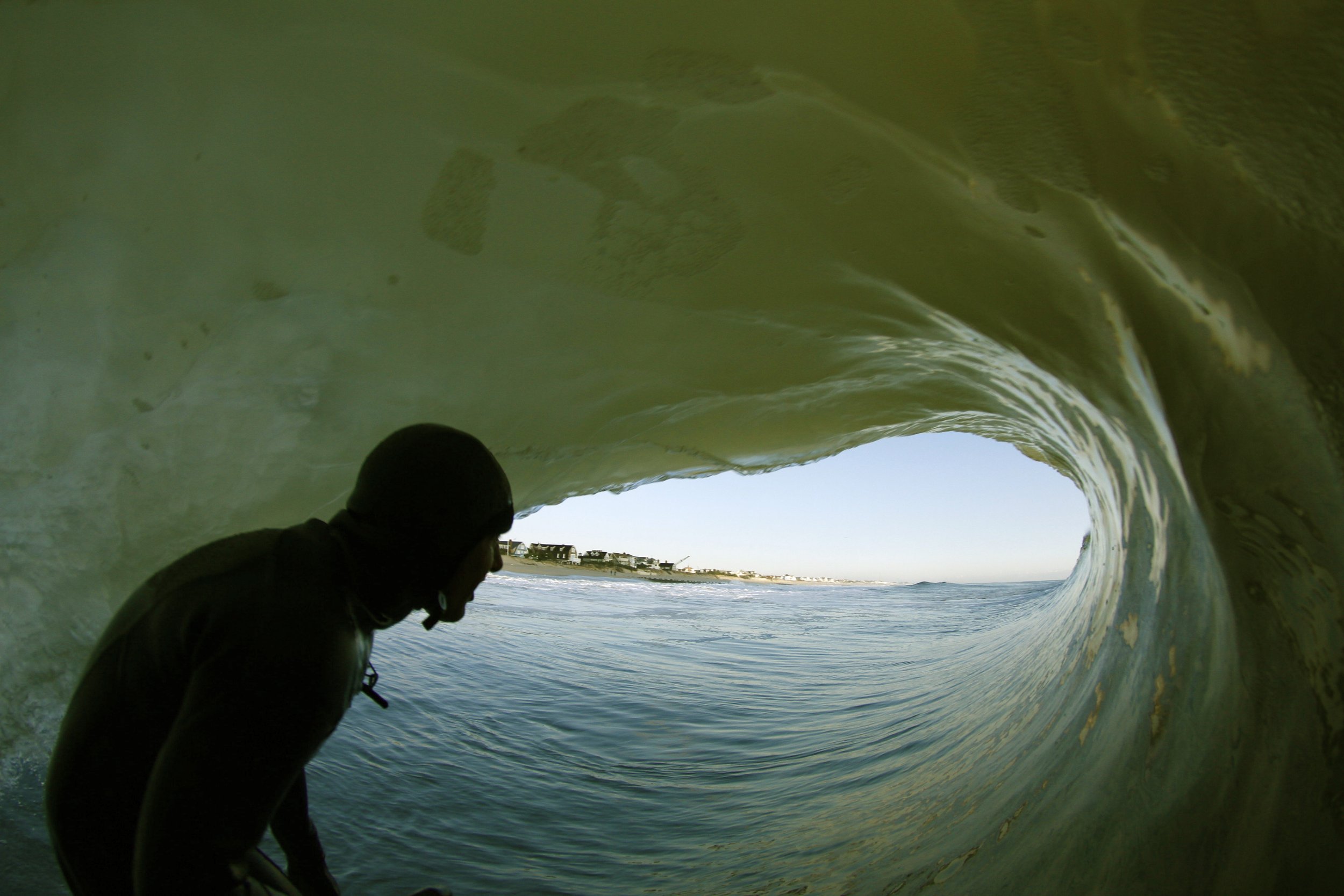
The first time I remember hearing Seth’s name was in the late ’90s at Shred for Life, a one day skate festival. Over the years, I began seeing his photography in surf magazines. Then, sometime in my twenties, I saw Seth filming Mike Gleason at a local spot called the Pit.
It was a heavy day. Mike was getting barreled, and Seth was following directly behind him on a bodyboard with a GoPro, trying to capture the wave from Mike’s point of view.
I remember thinking, Seth is nuts.
Years later, our paths crossed again through foiling when Seth bought an Appletree board from me. We talked about skateboarding, surfing, foiling, and how strange it was that more surfers hadn’t discovered it yet.
Since then, Seth has become a real pillar of the New Jersey foil community. For anyone who foils but came from surfing, there’s a good chance they already know his name. Either Seth has taken a photo of you, or you’ve seen one of his images in a publication.
Featuring Seth wasn’t about finding the biggest name or the best rider, though he is insanely talented on a foil. It was about starting Foil East with someone whose story connects skateboarding, surfing, photography, foiling, and community.
From 80s Driveways to Endless Glides: How Seth Stafford Unlocked East Coast Foiling
There’s a quiet modesty to Seth Stafford that immediately resets your expectations of what an action-sports veteran sounds like.
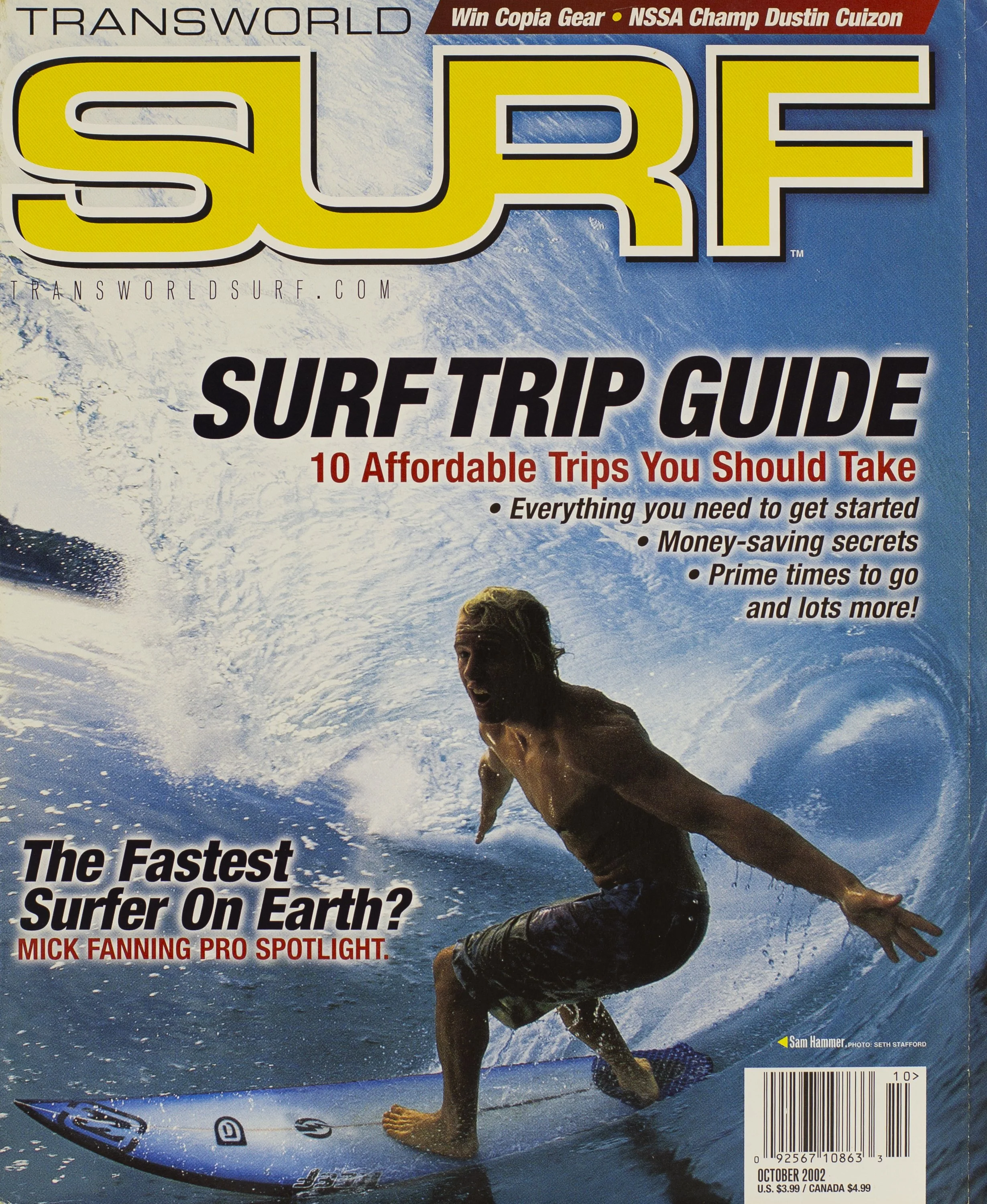
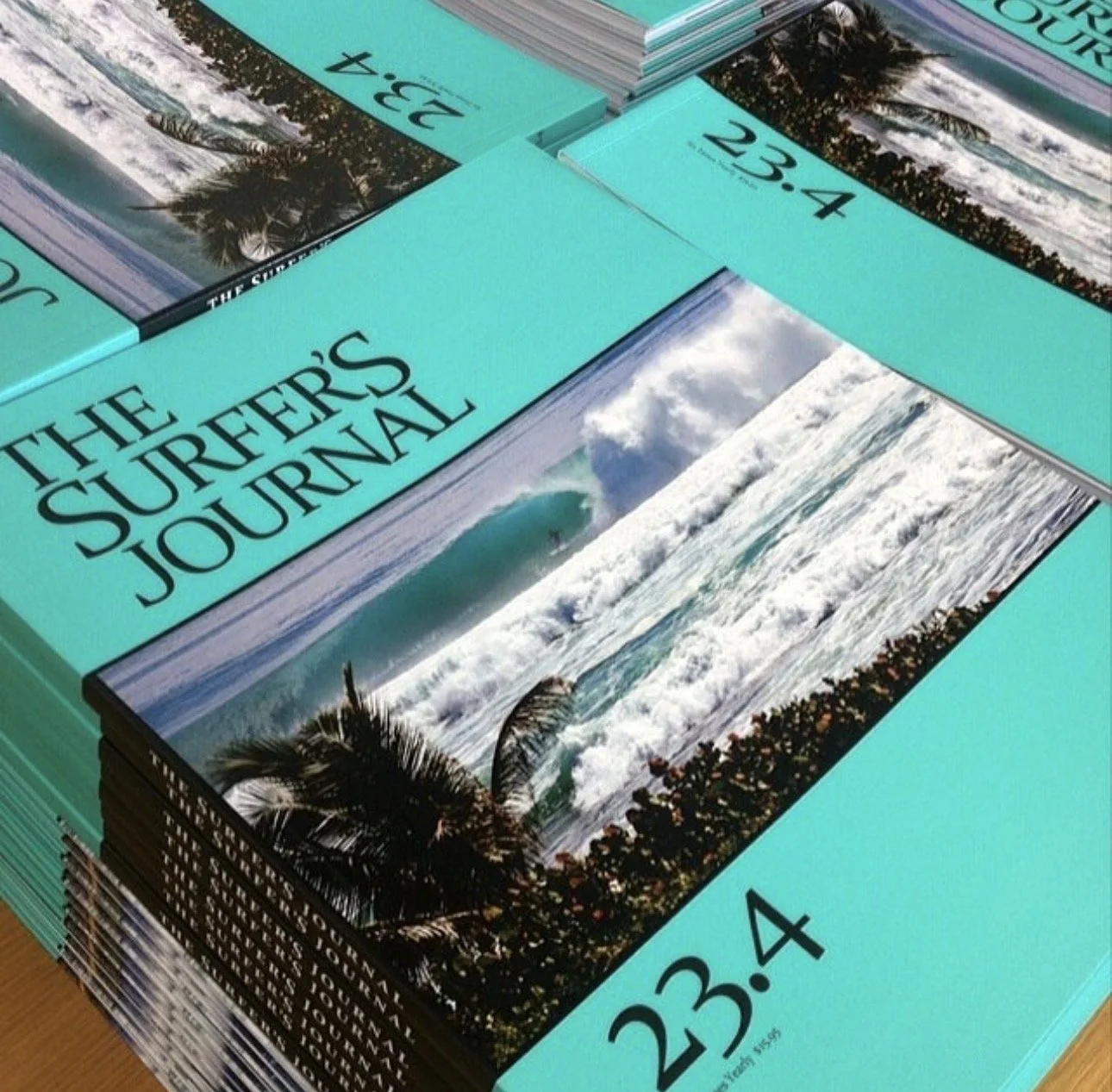
If you’ve flipped through the glossy pages of Surfer, Surfers Journal, or Transworld Surf over the last two decades, you’ve seen his work. You’ve seen his heavy shots of Hawaiian barrels or his iconic cover photo of New Jersey legend Sam Hammer. If you spend time on YouTube searching for mid Atlantic bump riding, you’ve almost certainly stumbled upon his channel, @Sethfoils, where he documents the raw, frigid, and surprisingly magical world of East Coast hydrofoiling.
Yet, talk to Seth about his journey, and he won’t boast about publication credits or decades of industry respect. He’ll tell you he was just a kid from Pennsylvania, 90 miles from the ocean, trying to keep up with his brother in a paved driveway.
This is the story of how a kid from West Chester translated a lifetime of street skating and surf photography into a second wind on the water and why, at 51, he’s having more fun than ever.
"I was hooked after my first glide... Now I’m no longer waiting around for the one day of great waves each month. Now I’m having a blast every day."
Part 1: The Concrete Roots of an East Coast Grom
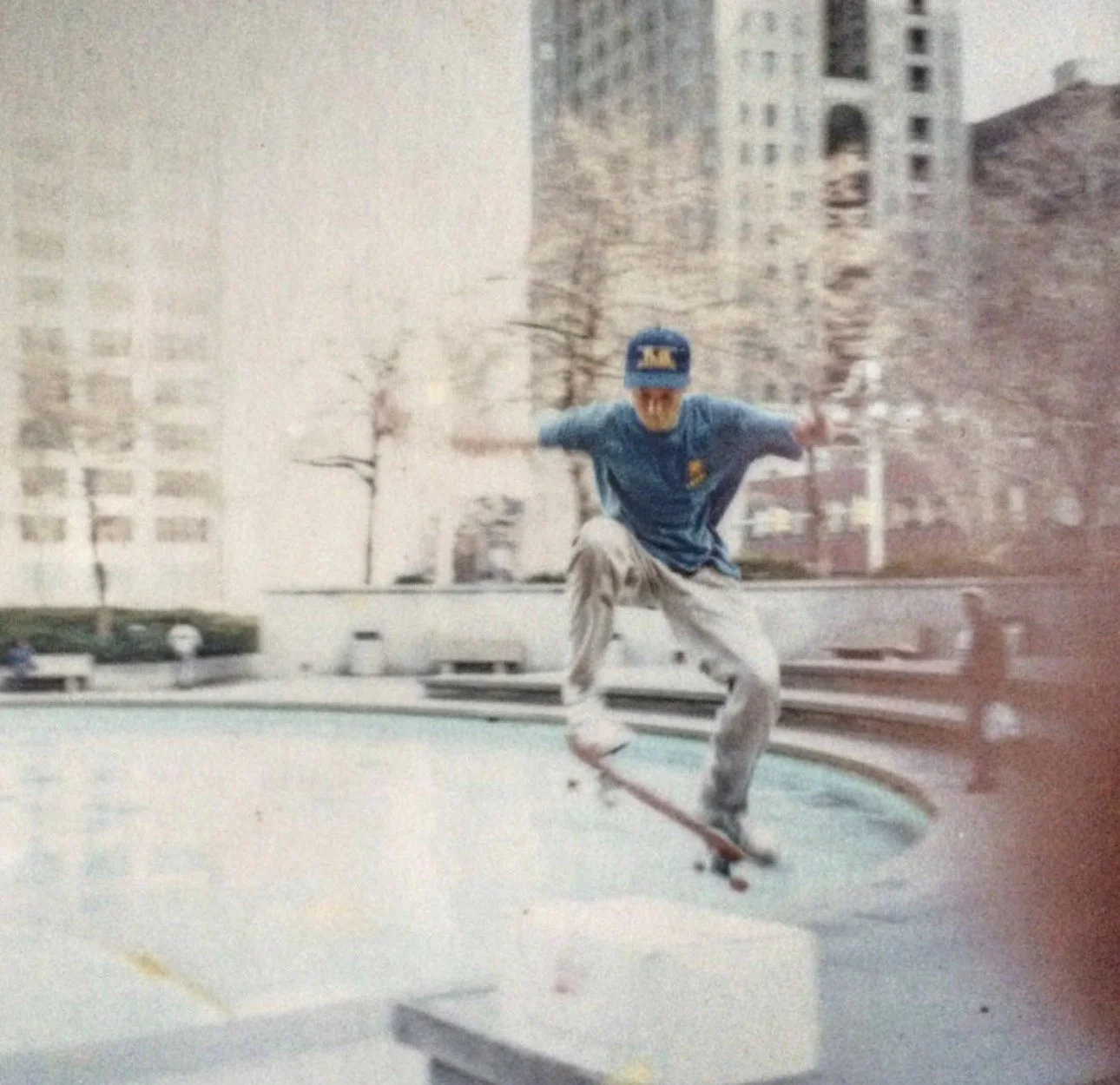
To understand how Seth approaches the water, you have to start on the pavement in the late 1980s. Growing up in West Chester, Pennsylvania, the ocean wasn't a daily option. Skateboarding was.
"I got a Santa Cruz special edition for my 5th birthday and I've been hooked ever since," Seth recalls. "Early on I skated with my brother in my driveway on little obstacles that we built. We watched the Bones Brigade videos on repeat everyday."
When Fairman’s Skate Shop moved into town, West Chester unexpectedly turned into a hotbed for 90s East Coast street skating. Seth was right in the mix hitting local parking lots, building jump ramps, and hitting weekend trips to Philly street spots alongside a legendary local crew that included rippers like Bam Margera, Kerry Getz, and Mike Maldonado. By freshman year, organized sports were out; street skating and bodyboarding were in. Seth wore out VHS tapes like Powell’s Ban This, H-Street’s Hokus Pokus, Plan B's Questionable, and Toy Machine's Welcome to Hell.
Surfing entered the picture during family summer trips to Long Beach Island, New Jersey. The two board sports quickly formed a natural, complementary symmetry. Skateboarding was the daily ritual; surfing was the coastal escape.
"They coexisted and complemented each other very well," Seth says. "Going back and forth between the two is all I knew since I didn't live at the beach... I just loved learning new tricks everyday. Skateboarding was evolving so quickly in the late 80’s/ Early 90’s and it was so fun trying to keep up."
That foundation—learning to see terrain creatively, adapting to whatever surface was in front of him, and relying on a close-knit crew defined how Seth viewed board riding for the rest of his life.
East Coast Reality:"We have a lot of great waves over here. Our variable winds and temperatures always keep us on our toes."
Part 2: Freezing the Frame (From Thrasher to Transworld)
Before Seth became known for flying above the water, he was famous for capturing the people inside it.
His entry into photography wasn't born out of high theory, but out of the raw energy captured in magazines like Thrasher. He wanted to analyze how riders moved and how waves folded. Armed with his parents' old Canon film camera, he began documenting his local sessions.
"I loved being able analyze everything about these frozen moments in time," he explains. "I’m always looking to document great riding from unique angles."
His shift from local shooter to published photographer happened almost by accident during his first trip to the North Shore of Oahu. "I was in the right place at the right time on my first trip to Hawaii. Everything just slowly fell into place from there... Looking at those first batches of slides from Hawaii and seeing those beautiful blue barrels I knew I wanted more."
What followed was a prolific career shooting for Surfer, Surfers Journal, Surfing, and Transworld Surf. Yet despite the editorial success, swimming out with a camera at heavy spots came with real stakes.
"Everytime I swam out at big Pipeline I was pooping my pants," Seth admits. "Oh yeah I’ve missed thousands of waves but watching pro surfers perfectly slice a wave is very satisfying."
His crowning moment as a photographer was capturing the Transworld Surf cover of New Jersey legend Sam Hammer a career highlight that validated both his craft and the caliber of East Coast talent. Yet despite the glossy covers, Seth’s perspective remained simple: "I was definitely a wave guy."
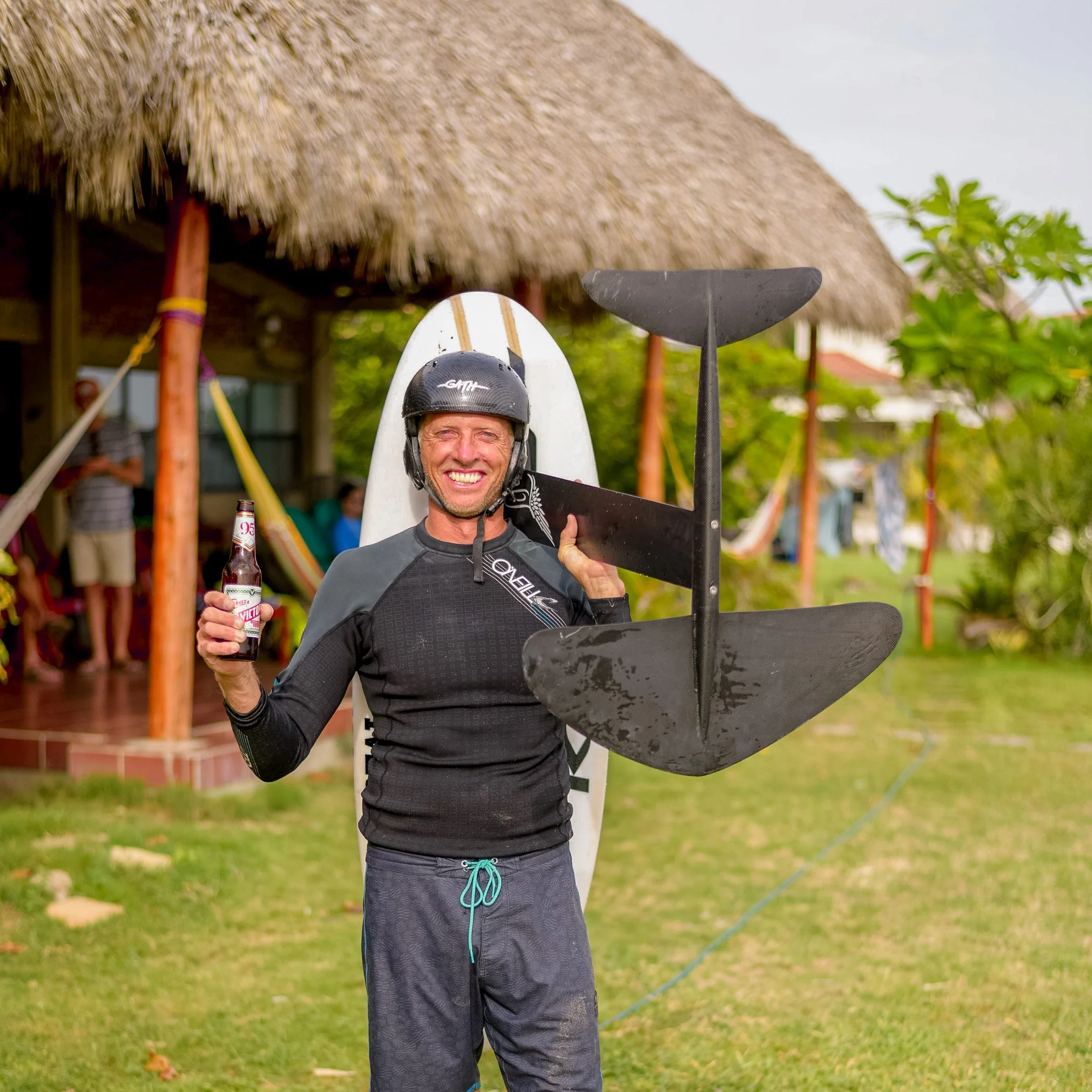
Part 3: The Second Wind: "Endless Energy for Endless Glides"
Eventually, every dedicated surf photographer reaches a point where holding the camera takes a backseat to participating. For Seth, the turning point didn't come from walking away from the water—it came from seeing a hydrofoil.
"When I saw Kai Lenny link multiple waves together I knew I needed to try," Seth says. "I was hooked after my first glide."
Foiling completely overhauled Seth’s relationship with the ocean. The frustrating days spent waiting for a rare clean swell vanished. Suddenly, blown-out shorebreak, mushy sandbars, and chop turned into an endless playground.
"Has foiling changed the way I see waves? Yes! I love shitty sideways chop now! Endless energy for endless glides!"
For Seth, the rapid evolution of foiling immediately mirrored the golden era of late 80s street skating. Unlocking new disciplines prone, winging, parawinging, SUP, brought back the raw progression of his youth.
"The rapid evolution reminds me a lot of late 80’s skateboarding. Every day someone is doing something new and blowing my mind. I loved learning all types of skating: ledges, manual pads, stairs, rails, ramps and now I feel the same way about foiling. Everything is so fun: prone, wing, para, sup."
When asked what advice he’d give to a surfer picking up a foil for the first time, Seth’s tip is classic East Coast pragmatism:
"Go straight! Resist your surfing instincts. Do not bottom turn immediately."
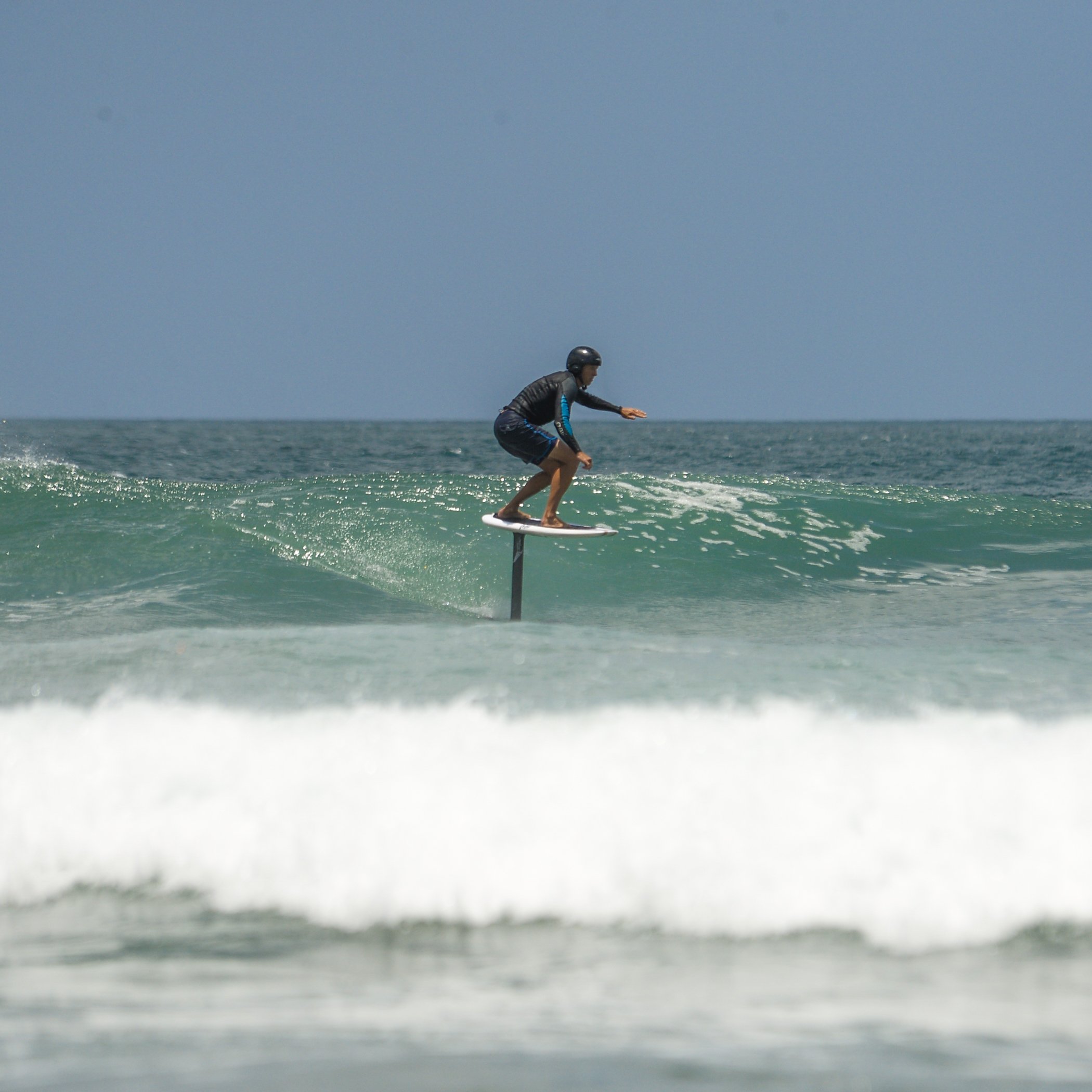
Part 4: Sharing the Stoke with @Sethfoils
With decades of high-level camera work under his belt, it was only natural for Seth to turn the lens on his new passion. He launched his YouTube channel, @Sethfoils, not to chase algorithms, but to bring clean, authentic storytelling to a growing scene.
"Like all foil frothers I was trying to watch any foiling content that I could find," he says. "Eventually I just thought I could use my photographic skills to make some more quality videos for the community... I like sharing the stoke, it’s cool to have our adventures documented and if someone learns something that is a bonus."
If you ask him which video captures the essence of local foiling best, he points directly to his winter runs on the Raritan Bay:
"I like the winter Raritan bay runs. The bumps are really close together so they are very photogenic... [Visitors] would be surprised by the variety of conditions we have here. Winds from all directions. Sandbars, Inlets and lots of open space."
"It is a challenge to ride well and film but it is so fun to relive the sessions while working on the edits," Seth notes. "I hope each video shows how fun foiling is and how friendly the community is."
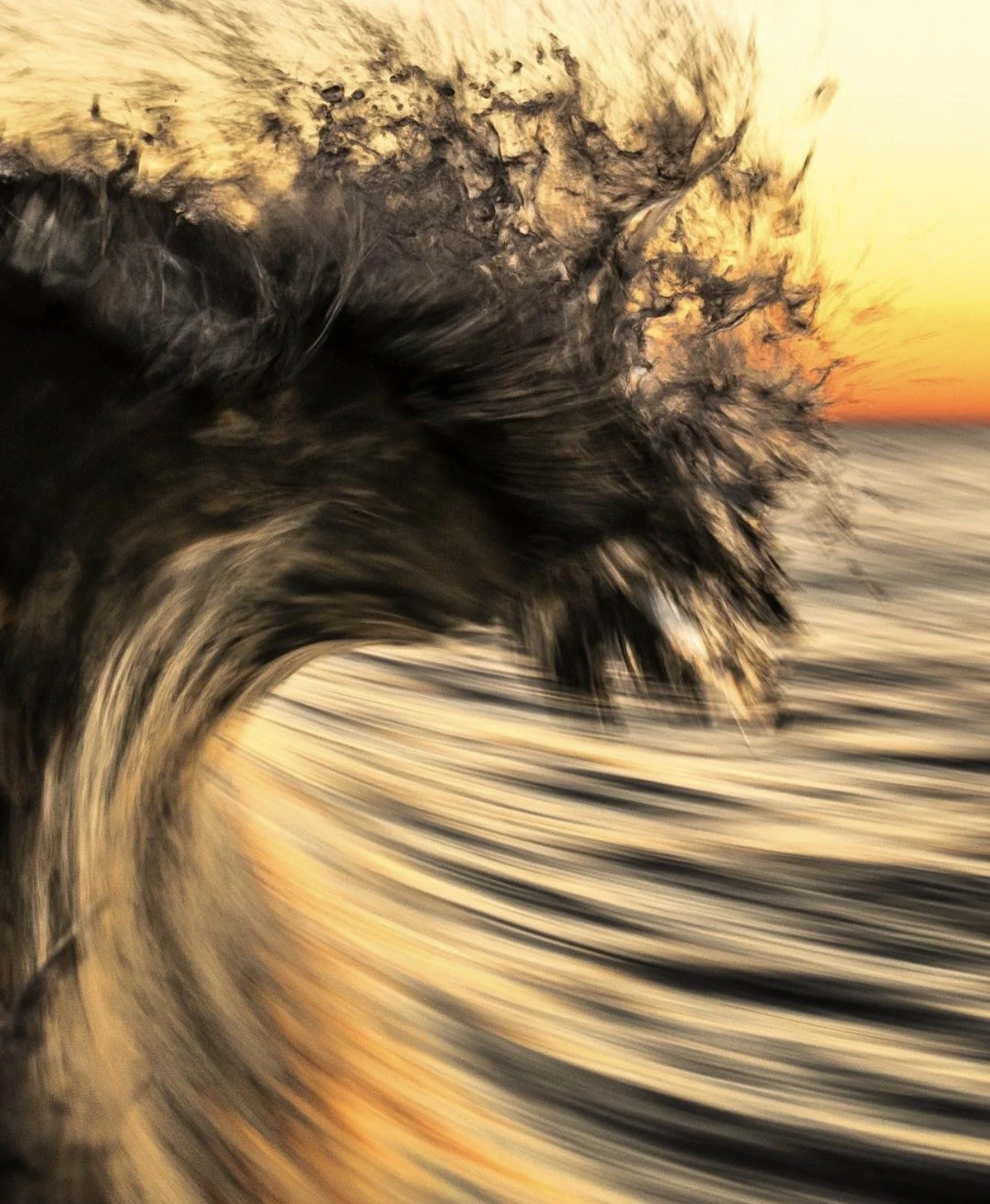
Part 5: "Slow Is Fast Enough"
At 51, Seth balances running two self-employed seasonal businesses with family life and daily water sessions. Structuring his work life around freedom was a deliberate choice—one that allows him to chase conditions whenever the wind or bumps turn on.
With his son heading off to college, Seth reflects on a life built around board sports, creative expression, and community with genuine gratitude:
"The skills that I have accumulated over all these years of enjoying these amazing activities are what makes me me and at 51 years old I cant believe I still get to do them all."
In a culture that often prioritizes speed, competition, and constant noise, Seth Stafford operates on a sweeter wavelength. When asked what the phrase "Slow Is Fast" means to him, he sums up his entire outlook in one line:
"Slow is fast enough! Take your time to enjoy all the amazing moments that we are lucky enough to experience!"
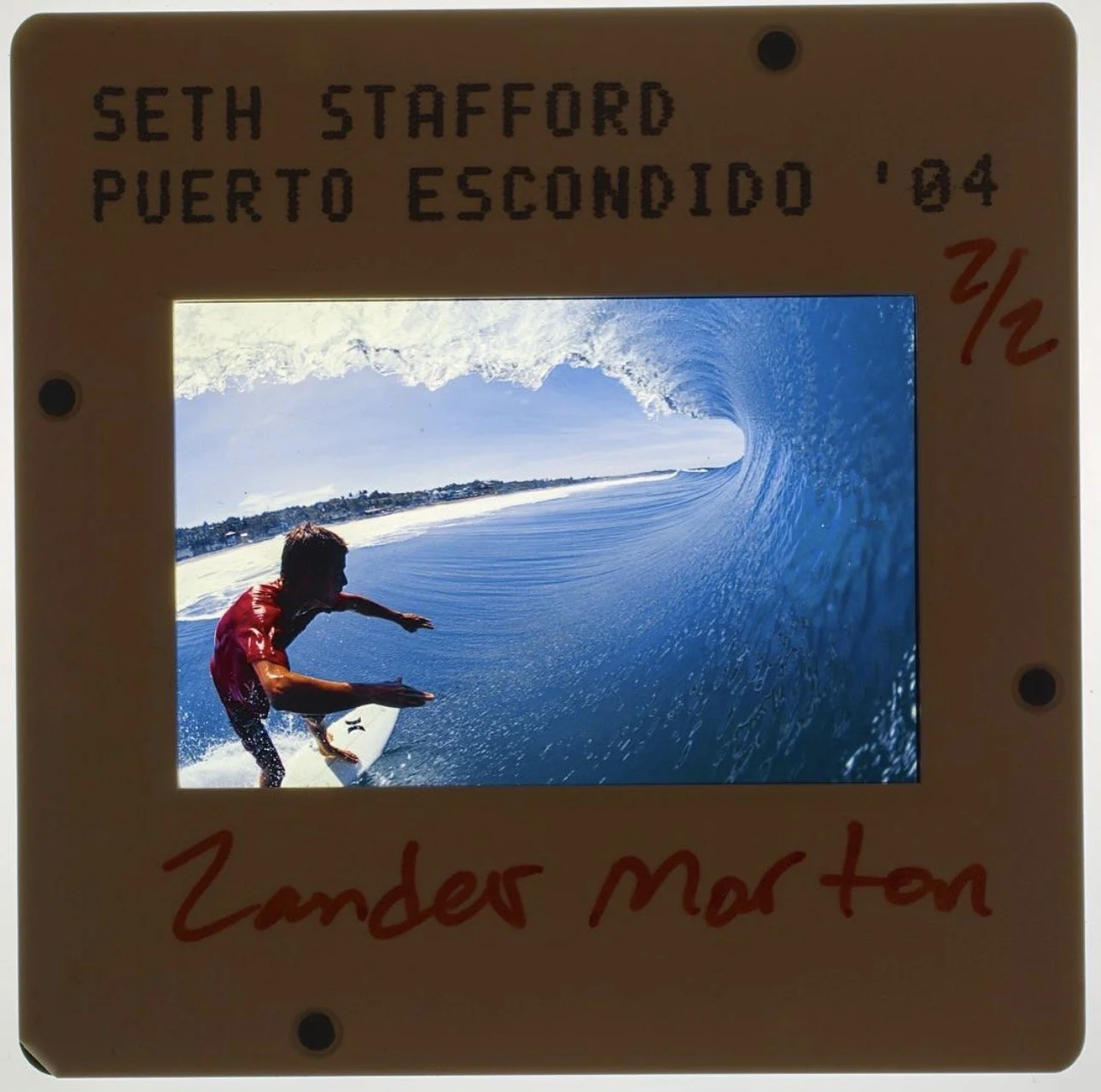

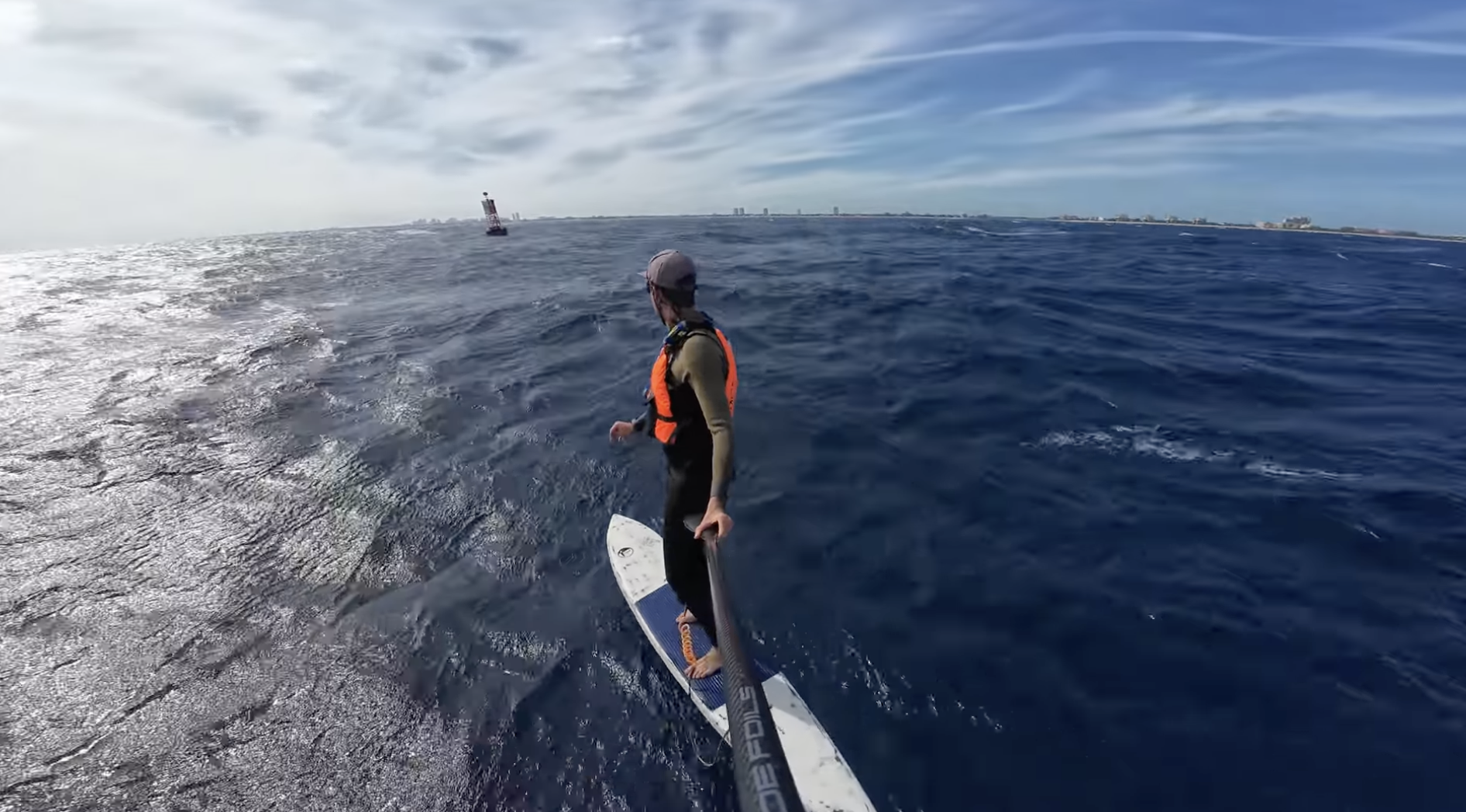
Down Winding Doesn’t Suck. You’re Just Not Ready.
Written by Nick Reeser
Here are the things I wish I knew before I started trying to learn to downwind.
Most people look at the end result and think, I can ride a wing or Foil Drive in the surf. It can't be that hard. If that's your jumping off point, it will be. The goal should be to move your jumping off point as close to the end result as possible to reduce the number of sessions where little to no fun is had.
I think people learning to downwind fit into two categories: wind nerds or surfers.
For the wind nerds, I'm talking about the windsurfer who kited and then wing foiled. You have a pretty simple path. First, sell your sinker wing board. There is no time for cross-training on this path.
Go ride downwind bumps as much as possible on a combination of a bigger foil, around 1200ish for a 180 pound rider, a bigger board, which can be a DW SUP, and the smallest inflatable wing you can start on. I'm talking about a 3-meter in 15 knots and a 2-meter in 20 knots. The goal is to wean yourself off the need to lean on the wing for stability while you learn to read bumps and pump.
From there, buy a dock-start rig and get to the point where you can flat-water pump for one minute. Then buy a parawing. Force yourself to stow it. Ride until you make a mistake and come off foil. Don't do catch and release. You will not learn how to recover if you lean on that crutch.
For the surfers, the first thing you need to do is have a real conversation with yourself about your surfing ability. Are you a shortboard ripper? Do you have serious body awareness? If yes, learn to SUP in the surf. If not, just become a wind nerd.
I'm pretty confident a shortboard ripper isn't reading this, but on the off chance they are, get a SUP. Learn to rip it in the surf. Learn to do shore runners, then learn to bump up. From there, you can learn to parawing on the back end and skip all the wind nerding.
The biggest thing is that you will not be able to learn to downwind by going once a month. This is something you will need to dedicate real time to. If you live somewhere with fluky conditions, you will likely have to go every time it blows for a couple of months to stack useful learning.
That's really it. The people who make downwinding look easy didn't get there by going out once in a while and hoping it would click. They put in the time and moved their starting point closer and closer to the end result.
And if you can do that, eventually downwinding starts to suck a whole lot less.

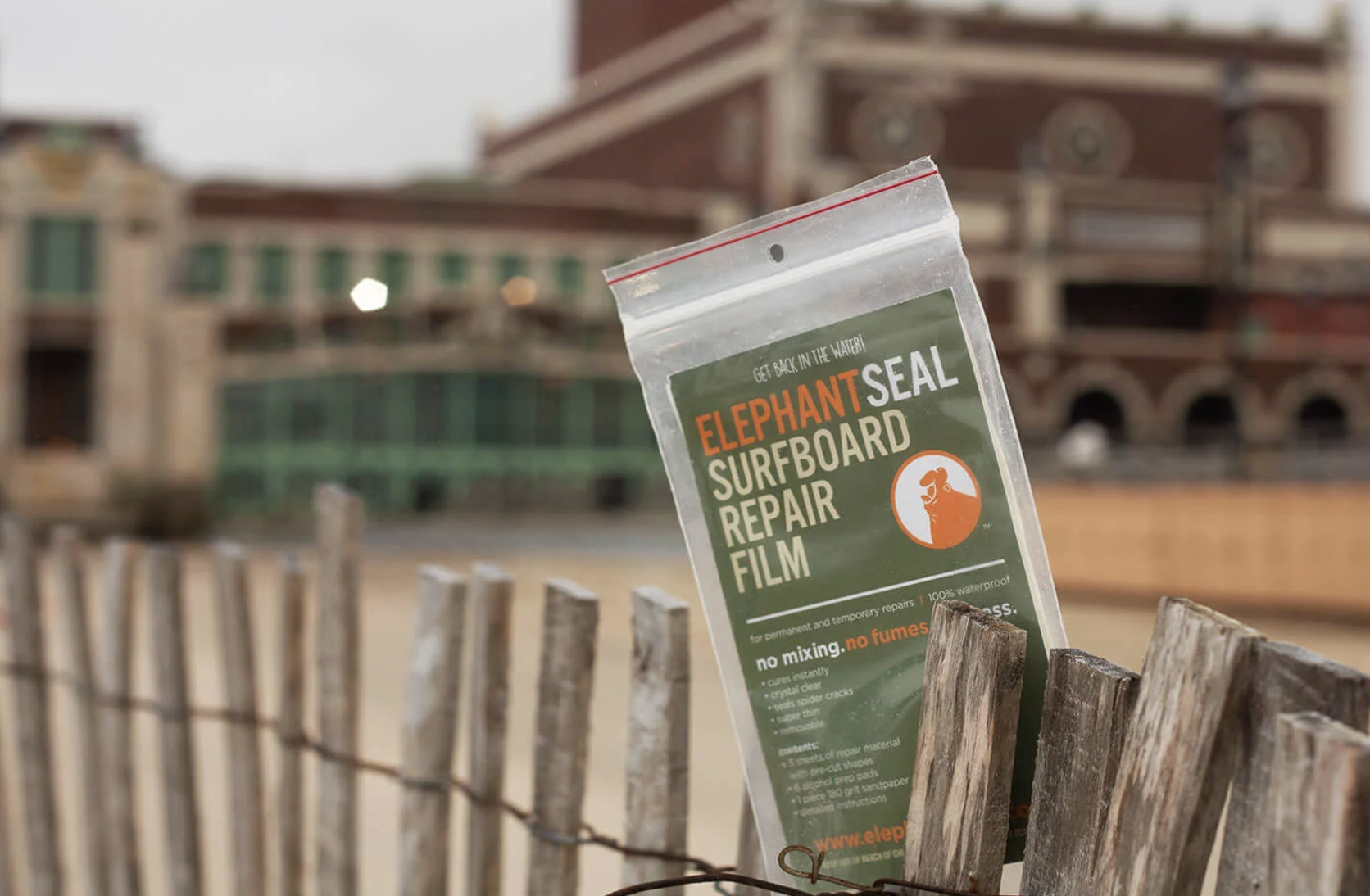
Foiling has enough gear reviews for foiling gear. So instead of clogging socials with more foil gear reviews. I am going to review products not made by foil brands but definetly serve a purpose. When I used to surf, I’d use Elephant Seal to fix dings that I would normally just stuff with wax. With surfboards, I didn’t think too much about it because, honestly, longboards are heavy anyway.
Then I got into foiling and quickly learned that a ding in a foil board is a much bigger deal. Foil boards can suck up water like a sponge, and downwind shuttles can easily ding a board. So now I always keep a pack of Elephant Seal with me.
It’s a simple setup with everything you need to fix a ding on the go—sandpaper, an alcohol wipe, and a clear, pre-cut film to keep the water out.
The best part is that it comes off easily when you’re ready to properly fix the ding, with no sticky residue or weird peeling vinyl.
At this point, I feel like Elephant Seal should be in every foiler’s car and every downwind shuttle.

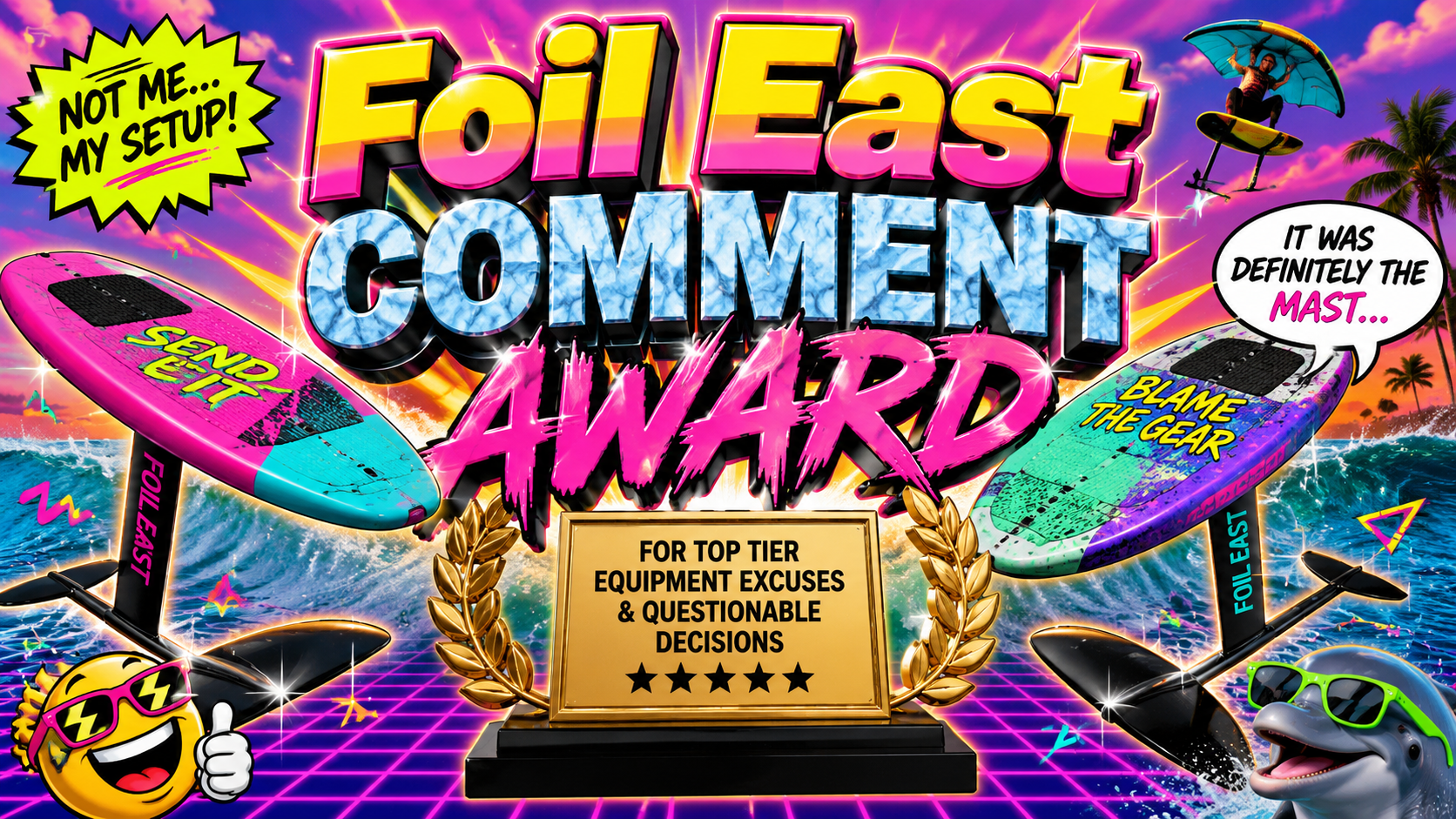
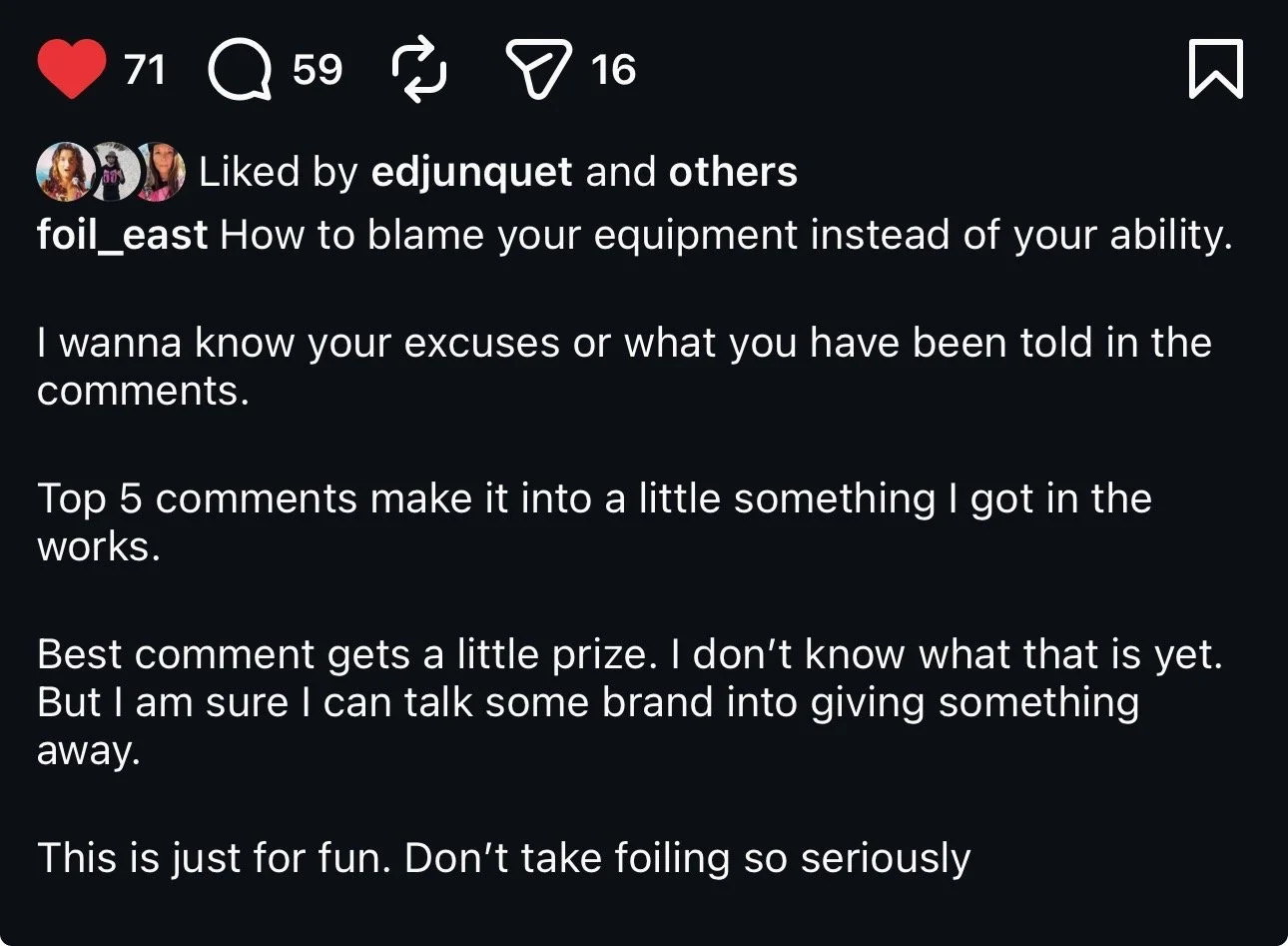
On June 21st, I asked the question: “How to blame your equipment instead of your ability.” I promised that the top five comments would make it into the first issue, with the best comment winning a little prize.
This issue’s prize is an Elephant Seal ding repair kit. I personally always have one in my car and, unfortunately, use it pretty often.
Anyway, here are my top five:
@insta_grath: “I aced the run but my Strava didn’t record it.”
@rick_neeser: “I would have totally learned to downwind by now if I had the right shim. I am definitely 1/17th of a degree away from success.”
@highlineshapes: “Not only the gear... the current was also fucked.”
@peteyhaze: “My parawing battens are too stiff.”
Winner — @foilgraham: “I could get on foil if I had a Tuttle mast.”
@foilgraham, I’ll reach out via Instagram.
Thanks to everyone who participated. We’ll be doing this every issue, to participate follow the instagram and keep your eyes peeled.